Tea from the Himalayas
Experience the Finest Nepali Tea
Nepali tea grows in high-altitude Himalayan gardens where cool mountain air, fertile soil, seasonal rainfall, and careful cultivation shape each harvest. As a result, the tea develops distinctive aromas, balanced flavors, and a natural connection to Nepal’s mountain landscape.
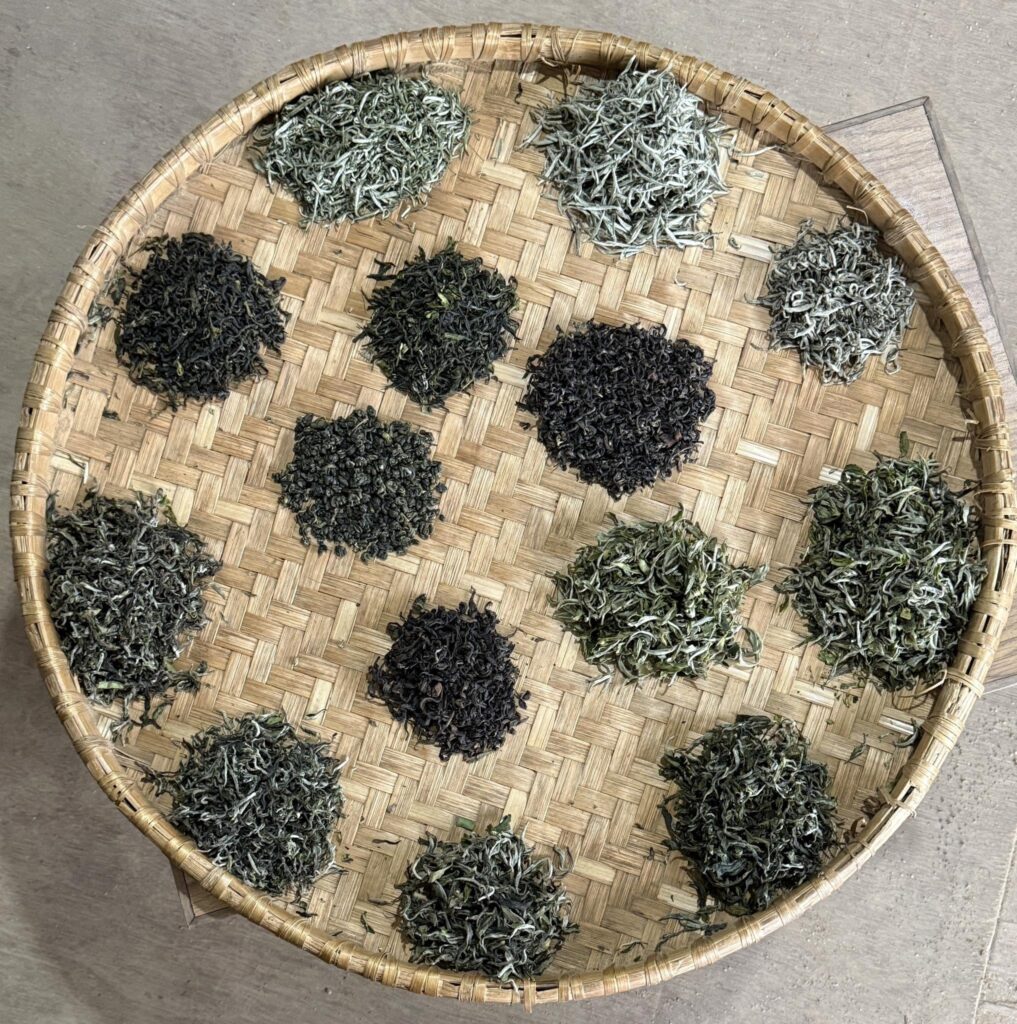
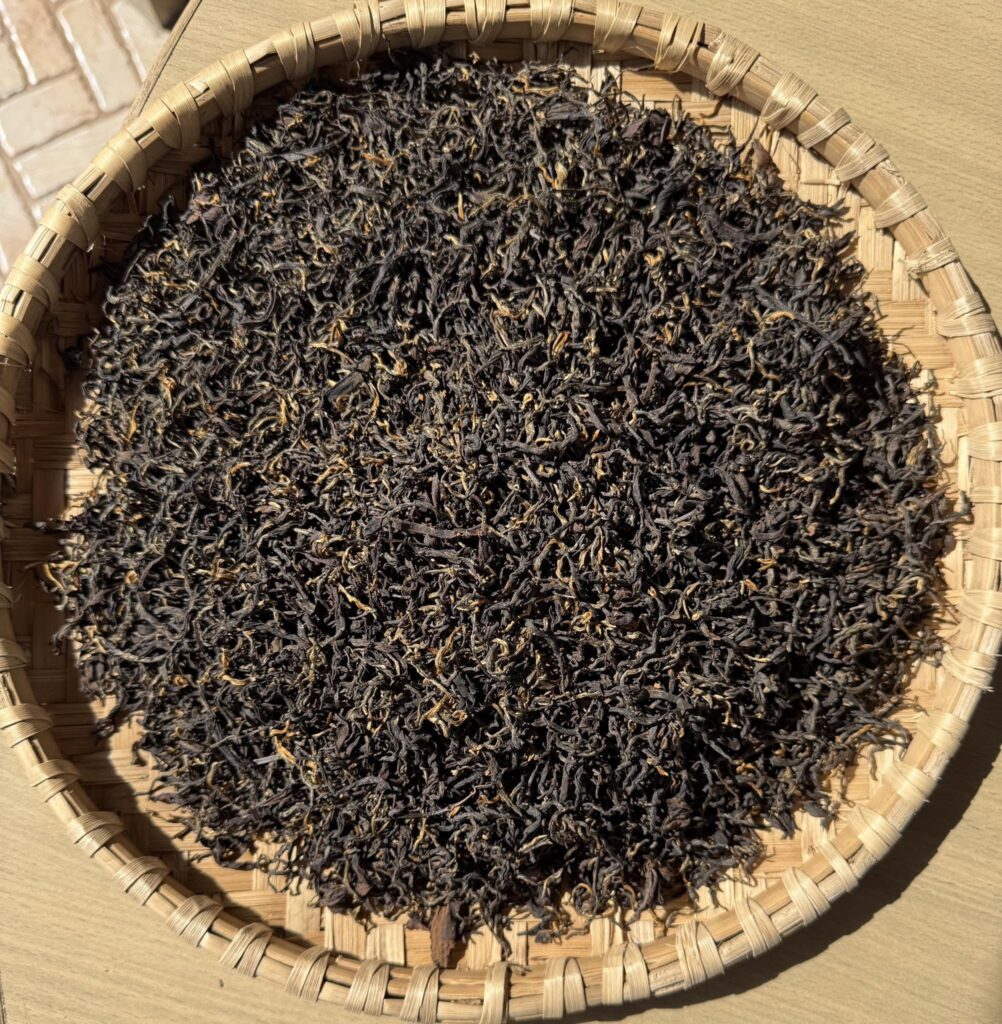
In addition, skilled tea makers carefully harvest and process the leaves to preserve their individual character. Therefore, every variety offers a different experience, from rich black tea and refreshing green tea to delicate white tea and handcrafted oolong tea.
Moreover, our collection includes herbal tea and traditional Nepali chai for customers who enjoy comforting blends and aromatic spices. Overall, these teas highlight Nepal’s growing regions, tea-making traditions, and commitment to quality loose leaf tea.
Explore All Nepali TeaFind Your Perfect Tea
Discover authentic Nepal tea crafted in the Himalayas. Explore our collection of black, green, white, oolong, herbal teas and traditional chai.
Crafted by Nature
Why Choose Nepali Tea?
Nepali tea grows in Himalayan foothills where cool mountain air, fertile soil, seasonal rainfall, and high elevations shape each harvest. As a result, these natural conditions help create fresh aromas, refined character, and distinctive flavor.
High-Altitude Gardens
Because tea plants grow more slowly at higher elevations, they often develop refined aromas and a clean, complex taste. Therefore, Nepal’s mountain climate plays an important role in the character of Nepali tea.
Careful Hand Harvesting
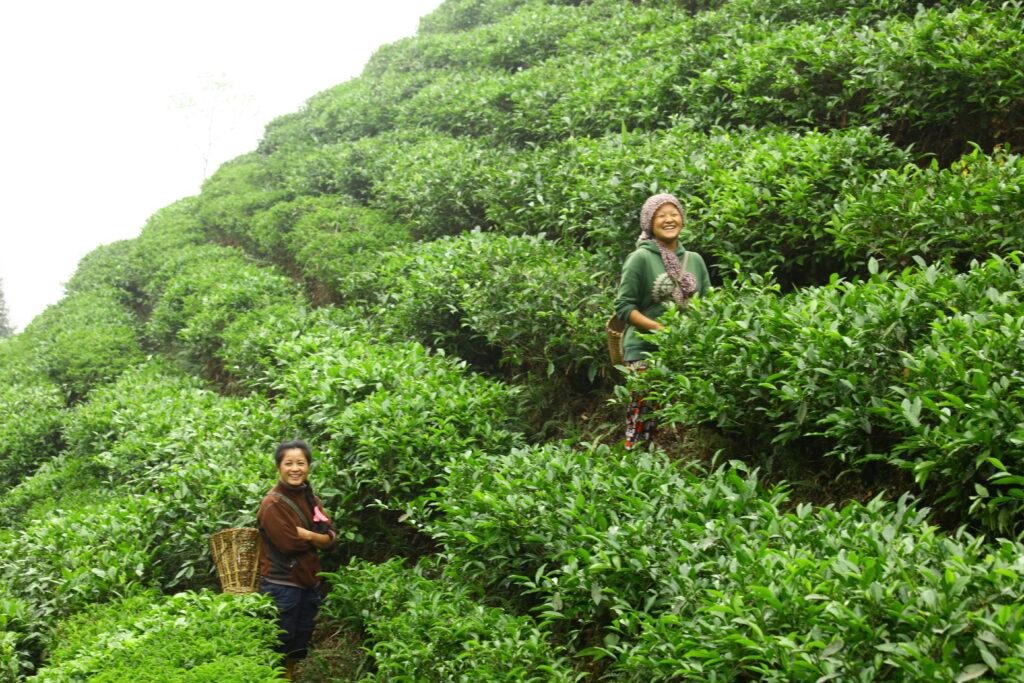
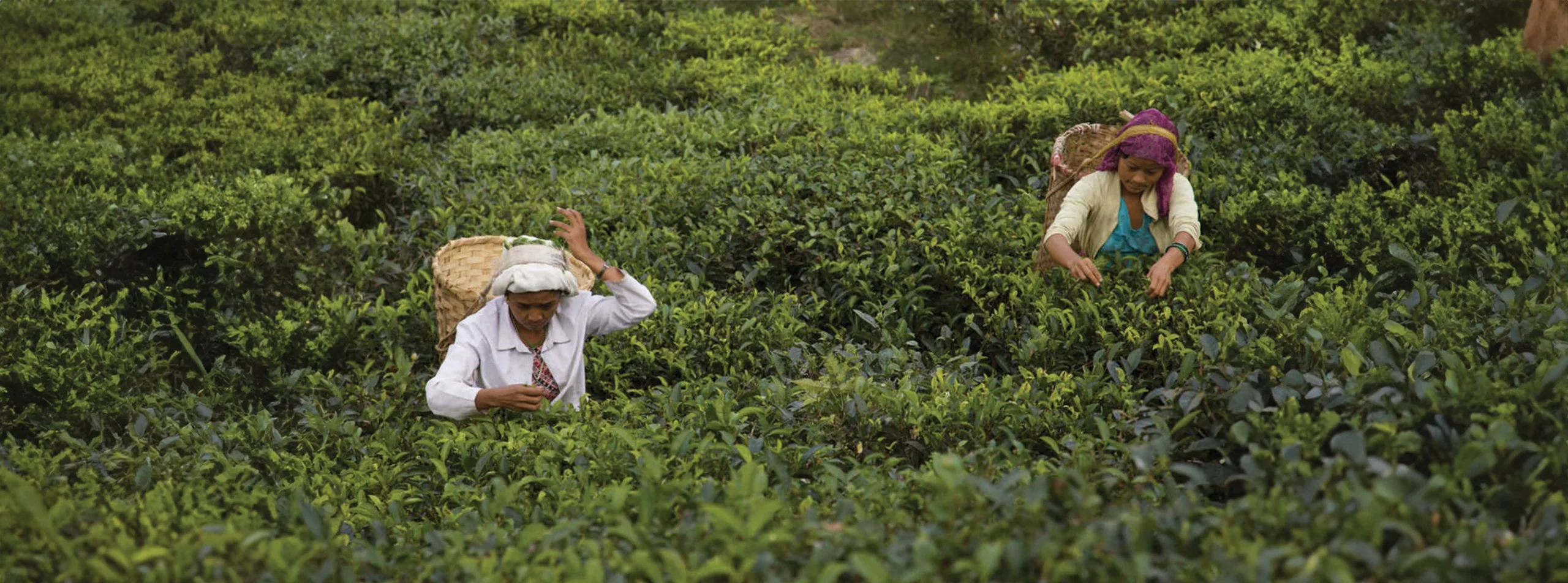
Skilled tea workers carefully select fresh leaves during each harvest. In addition, this hands-on approach helps preserve quality, freshness, and the natural character of the tea.
Authentic Himalayan Origin
Nepali tea reflects the landscapes and traditions of its Himalayan origin. For example, black, green, white, oolong, herbal teas, and chai each offer a different expression of Nepal’s tea-growing heritage.
Traditional Craftsmanship
Tea makers use skilled processing and small-batch production to protect aroma, flavor, and individuality. Moreover, their experience helps each tea express the qualities of its harvest.
Ultimately, every cup of Nepali tea offers a taste of the Himalayas: nature shapes the leaves, skilled makers craft them with care, and generations of tea tradition give them meaning.
From the Himalayan Foothills
Tea Growing Regions of Nepal
Nepal’s eastern Himalayan foothills provide the cool mountain air, fertile soil, seasonal rainfall, and high elevations needed to cultivate distinctive loose leaf tea. As a result, these natural growing conditions help shape the aroma, flavor, and character of Nepal tea, including refined black tea, refreshing green tea, delicate white tea, and handcrafted oolong tea.
Why Nepal’s Tea Regions Are Distinctive
Because Nepal’s tea gardens are located across hills of varying elevations, each growing area can produce tea with its own character. Moreover, cool nights and moderate daytime temperatures allow the tea leaves to mature gradually. Consequently, the leaves can develop layered aromas and complex flavors before they are carefully harvested.
In addition, many Nepalese tea producers continue to combine traditional hand-harvesting practices with skilled orthodox processing. Therefore, the finished tea reflects not only its Himalayan environment but also the knowledge and craftsmanship of the people who produce it.
Eastern Nepal
Ilam: The Heart of Nepal Tea
Ilam is one of Nepal’s best-known tea-growing regions. Its green hills, misty climate, mountain soils, and varying elevations create favorable conditions for producing aromatic Himalayan tea with distinctive flavor and character.
Tea producers in Ilam craft a diverse selection of Nepali tea, ranging from full-bodied black tea and bright green tea to delicate white and oolong varieties. In addition, careful harvesting and processing allow each loose leaf tea to express the natural qualities of its origin.
Furthermore, the region’s changing seasons influence each harvest. Spring teas may offer a lighter and more floral character, while later harvests can develop deeper aromas and a fuller taste. For this reason, tea from Ilam can provide a varied tasting experience throughout the year.
Therefore, our collection includes tea sourced from premium producers in this region. This approach helps us offer authentic Nepal tea with a clear connection to the people, gardens, and landscapes behind every harvest.
A Premium Tea Supplier
Sourced from Jasbire Tea
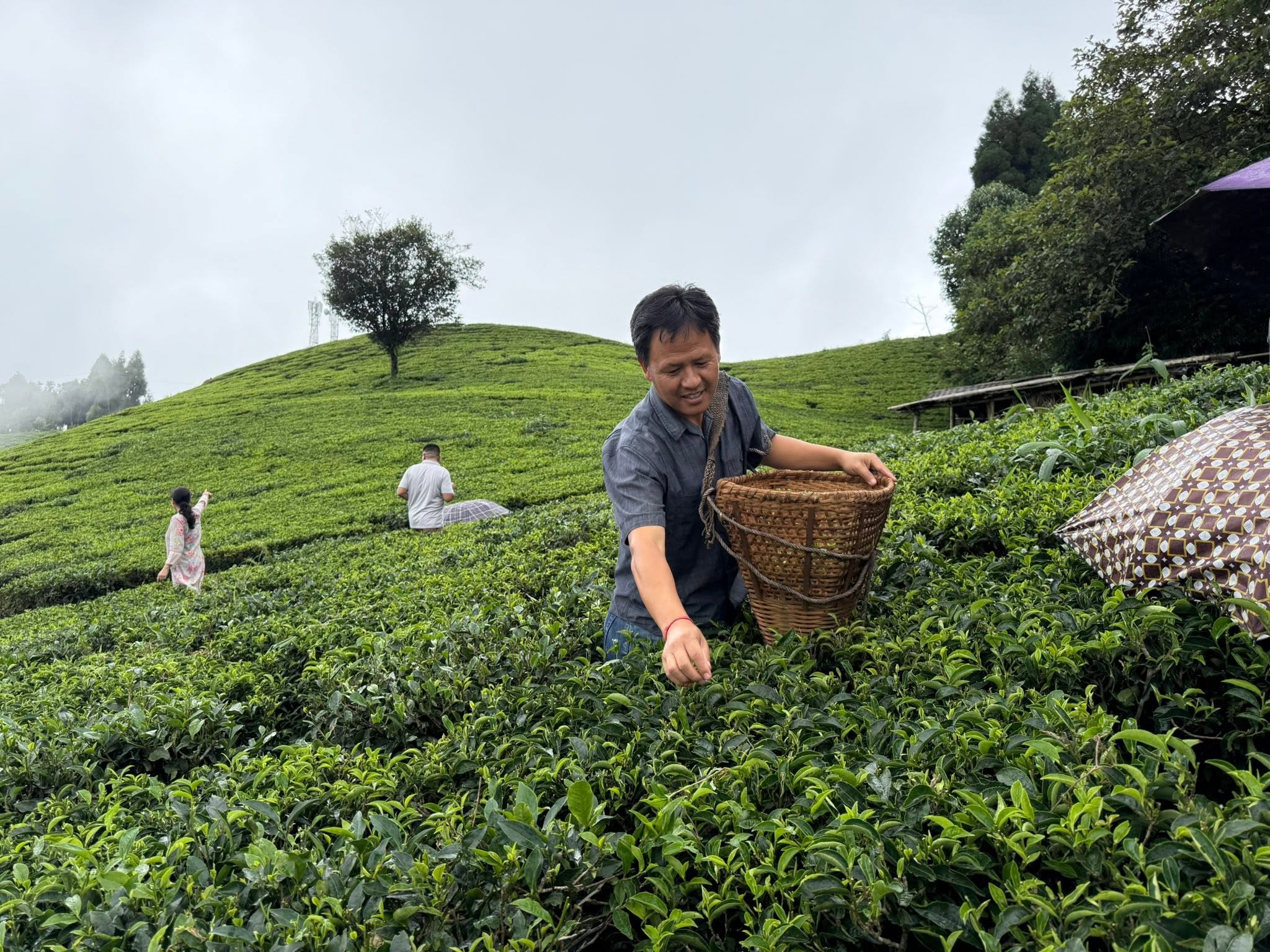
Jasbire Tea is one of the premium Nepal tea suppliers represented in our collection. We select teas from trusted producers such as Jasbire Tea because quality begins at the source, from the growing conditions and harvested leaves to the care used during processing.
Moreover, working with trusted producers helps us understand where the tea comes from and how it has been prepared. As a result, we can present loose leaf tea that reflects Nepal’s tea-growing heritage while offering the aroma, flavor, and quality our customers expect.
Ultimately, this connection between garden, producer, and customer allows each cup to tell a more meaningful story. At the same time, it helps highlight the skill and dedication involved in creating authentic Himalayan tea.
“Our goal is to connect every cup with the gardens, craftsmanship, and natural character of Nepal.”
From Leaf to Cup
How Nepali Tea Is Made
Premium Nepali tea begins its journey in the high-altitude gardens of the Himalayan foothills. After each harvest, skilled tea makers process the fresh leaves according to the desired tea style. Although the exact method differs for black, green, white, and oolong tea, every stage shapes the aroma, color, body, and flavor of the finished loose leaf tea.
Careful Hand Harvesting
First, skilled tea pickers select fresh buds and young leaves from the plants. The ideal leaves vary according to the season and tea style. As a result, careful hand harvesting helps preserve the freshness and natural character of quality Nepali tea.
Natural Withering
Next, tea makers spread the fresh leaves in thin layers and allow some of their moisture to evaporate gradually. This process softens the leaves and prepares them for shaping. Moreover, careful control of the withering time influences fragrance, texture, and character.
Rolling and Shaping
Tea makers then roll or shape the softened leaves. Rolling releases natural compounds within the leaf and prepares black and oolong teas for oxidation. In addition, this stage creates the recognizable appearance of loose leaf tea while developing aroma and depth.
Oxidation or Heat Treatment
At this stage, tea makers adjust the process for each tea style. For example, they allow black tea to oxidize more fully, which creates a darker color and richer flavor. However, they only partly oxidize oolong tea and heat green tea earlier to preserve its brighter qualities.
Drying, Sorting and Selection
Finally, tea makers dry the leaves to reduce moisture and stabilize their flavor. They then sort each batch according to appearance and quality before packaging it. Consequently, careful drying and selection help protect the freshness, aroma, and character of authentic Nepali tea.
Craftsmanship in Every Cup
From delicate green tea to full-bodied black tea, each production method reveals a different expression of Nepal’s high-altitude gardens. Ultimately, natural growing conditions, skilled craftsmanship, and careful processing give Himalayan loose leaf tea its distinctive identity.
Handpicked Favorites
Featured Nepal Tea Collection
Explore a carefully selected collection of premium Nepal tea sourced from trusted Himalayan tea producers. From rich black tea and refreshing green tea to delicate white tea and aromatic oolong varieties, every loose leaf tea reflects Nepal’s remarkable growing conditions and traditional craftsmanship.
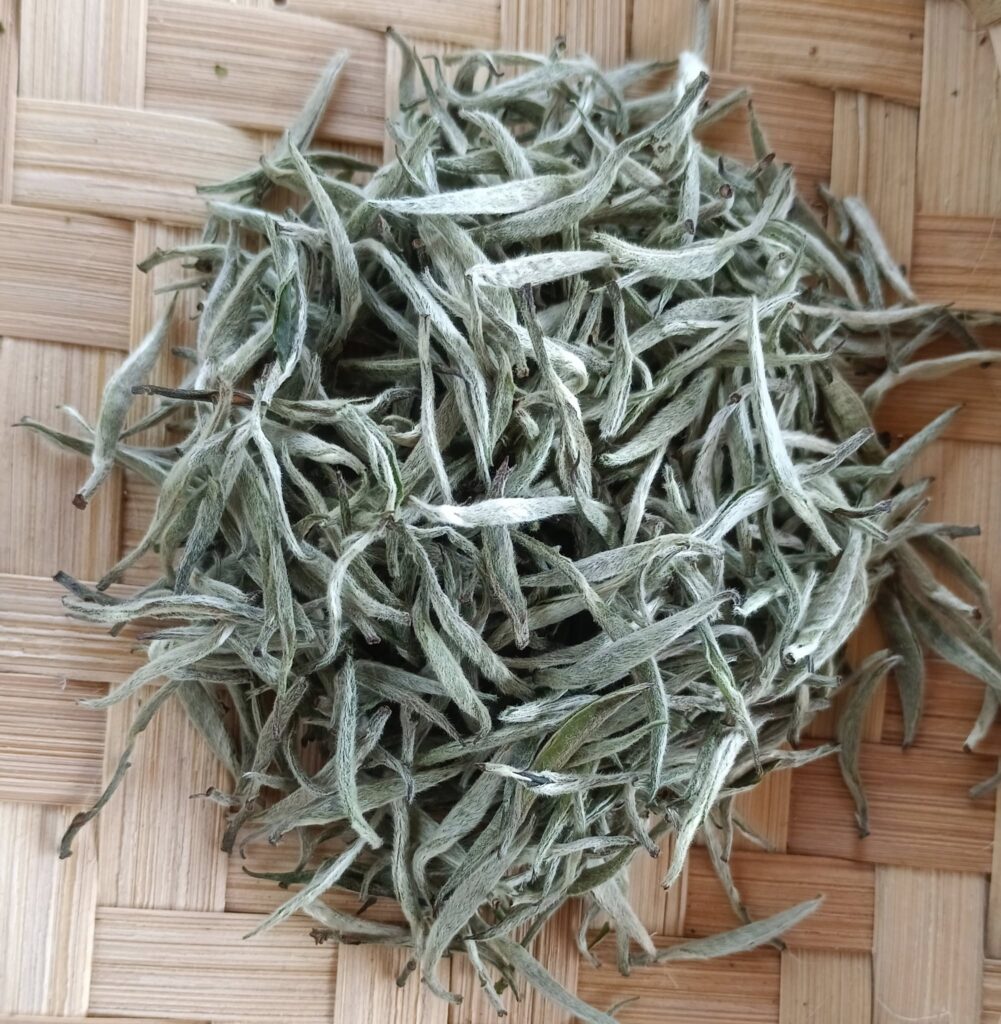
Discover the character of authentic Himalayan tea, selected for freshness, craftsmanship, and distinctive flavor.
Explore All Nepal Tea →The Perfect Cup
How to Brew Nepal Tea
Brewing Nepal tea with the right water temperature and steeping time helps reveal its natural aroma, flavor, and character. However, each tea variety requires a slightly different method. Therefore, follow the guide below when preparing black tea, green tea, white tea, oolong tea, herbal tea, or traditional Nepali chai.
Black Nepal Tea
Black Nepal tea offers a rich aroma, smooth body, and naturally complex flavor. For best results, use hot water without allowing the leaves to steep for too long.
- Tea quantity 1 teaspoon per cup
- Water temperature 195–205°F
- Steeping time 3–5 minutes
- Infusions 1–2
Green Nepal Tea
Green Nepal tea creates a fresh, clean cup with gentle vegetal and floral notes. Because boiling water can produce bitterness, allow the water to cool slightly before brewing.
- Tea quantity 1 teaspoon per cup
- Water temperature 170–180°F
- Steeping time 2–3 minutes
- Infusions 2–3
White Nepal Tea
White Nepal tea has a delicate aroma and subtle flavor. As a result, cooler water and a gentle infusion help protect its soft floral character.
- Tea quantity 2 teaspoons per cup
- Water temperature 175–185°F
- Steeping time 4–5 minutes
- Infusions 2–3
Oolong Nepal Tea
Oolong Nepal tea develops layered floral, fruity, and lightly roasted flavors. Moreover, the leaves often reveal new aromas over several infusions.
- Tea quantity 1–2 teaspoons per cup
- Water temperature 185–195°F
- Steeping time 3–4 minutes
- Infusions 2–4
Himalayan Herbal Tea
Himalayan herbal blends usually benefit from hotter water and a longer steep. Consequently, the herbs, flowers, and spices release more of their natural aroma and flavor.
- Tea quantity 1–2 teaspoons per cup
- Water temperature 205–212°F
- Steeping time 5–7 minutes
- Infusions 1–2
Traditional Nepali Chai
Traditional Nepali chai combines black tea, warming spices, milk, and sweetener. Unlike loose leaf brewing, chai develops its comforting flavor through gentle simmering.
- Tea quantity 1–2 teaspoons per cup
- Water temperature Simmer gently
- Brewing time 5–8 minutes
- Serve with Milk and sweetener
Brewing Tips
Simple Ways to Improve Every Cup
Use fresh water. First, begin with freshly drawn filtered water. Fresh water helps the natural flavor of Nepal tea remain clear, smooth, and balanced.
Control the temperature. Green and white teas need cooler water. Otherwise, excessive heat may create bitterness and overpower their delicate aromas.
Give the leaves room. In addition, use a spacious infuser or teapot so the loose leaves can expand fully and release their flavor evenly.
Adjust the strength. Finally, increase the amount of tea leaves before greatly extending the steeping time. This approach creates a stronger cup without introducing unnecessary bitterness.
Everyday Tea Choices
Choosing Nepal Tea for Your Daily Routine
Different varieties of Nepal tea can complement different moments throughout the day. Black, green, white, oolong, and herbal teas offer distinct flavors, caffeine levels, aromas, and brewing experiences.
04
Contributes to Daily Fluid Intake
Brewed tea contributes to daily fluid intake while adding variety to a balanced routine. In addition, herbal infusions may provide naturally caffeine-free choices, depending on the herbs, flowers, and spices used in the blend.
05
A Range of Caffeine Choices
Different tea styles provide different caffeine experiences. Many people choose black tea for a stronger morning cup, whereas green and white teas may feel gentler. However, caffeine levels also depend on the leaves, serving size, water temperature, and steeping time.
06
A Connection to Himalayan Tea Culture
Finally, enjoying Nepal tea creates a connection to the growers, landscapes, and craftsmanship behind each harvest. Every cup reflects Nepal’s high-altitude gardens and the careful production methods that give Himalayan loose leaf tea its distinctive identity.
Choose Your Tea
Find a Nepal Tea for Every Moment
Each type of Nepal tea has its own character. Use this simple guide to choose a tea that matches your preferred flavor, caffeine level, and time of day.
Black Tea
Choose a rich, aromatic, and full-bodied tea for a more robust morning cup.
Green Tea
Enjoy a fresh and lighter cup with vegetal, floral, or gently sweet notes.
White Tea
Select a delicate and subtle tea for slow and thoughtful sipping.
Oolong Tea
Discover layered aromas and flavors that continue to develop across several infusions.
Herbal Tea
Choose a comforting herbal blend that may be caffeine-free, depending on its ingredients.
Nepali Chai
Enjoy black tea with warming spices, milk, and sweetness prepared in a traditional style.
Frequently Asked Questions
Everything You Need to Know About Nepal Tea
Explore answers to common questions about Nepal tea, including its origin, available varieties, loose leaf quality, flavor, and proper storage.
What Makes Nepal Tea Unique?
Nepal tea grows in the high-altitude Himalayan foothills, where cool temperatures, mountain air, seasonal rainfall, and local soil conditions influence each harvest. In addition, many producers use traditional orthodox processing methods to create aromatic loose leaf teas with floral, fruity, sweet, and naturally complex flavors.
Is Nepal Tea the Same as Darjeeling Tea?
No. Nepal tea and Darjeeling tea come from different countries and tea-growing regions. Although their mountain environments can produce some similar floral and muscatel characteristics, Nepal tea has its own identity. Its flavor can range from bright and delicate to rich and full-bodied, depending on the garden, harvest season, and processing method.
What Types of Nepal Tea Are Available?
Nepal produces several tea styles, including black tea, green tea, white tea, oolong tea, herbal blends, and traditional Nepali chai. Each variety offers a different aroma, flavor, caffeine level, and brewing experience. Therefore, tea drinkers can choose a style that suits the time of day and their personal taste.
Is Loose Leaf Nepal Tea Better Than Tea Bags?
Loose leaf tea often contains larger or more complete leaves than the finely broken tea commonly used in many tea bags. Because the leaves have more room to expand, they can release a fuller aroma and more layered flavor. However, the final quality still depends on the tea leaves, freshness, storage, and brewing method.
How Should I Store Nepal Tea?
Store Nepal tea in a clean, airtight container away from direct sunlight, heat, moisture, and strong odors. For the best results, keep the container in a cool, dry cupboard and close it immediately after each use. Proper storage helps protect the tea’s freshness, aroma, and natural flavor.
Brewing and Tea Knowledge
More Questions About Nepal Tea
Learn more about the caffeine content, traditional production, flavor profile, repeated infusions, and brewing methods associated with authentic Nepal tea.
Does Nepal Tea Contain Caffeine?
Black, green, white, and oolong Nepal teas naturally contain caffeine because they come from the Camellia sinensis tea plant. Nevertheless, the amount varies according to the tea type, serving size, leaf quantity, water temperature, and steeping time. Herbal infusions may be caffeine-free unless they contain true tea leaves or another caffeinated ingredient.
What Is Orthodox Nepal Tea?
Orthodox tea refers to a traditional style of tea production. Tea makers carefully wither, roll, oxidize when appropriate, dry, and sort the leaves. As a result, the finished tea can preserve more of the leaf’s natural shape, aroma, and distinctive character.
How Many Times Can I Steep Nepal Tea?
Many premium loose leaf Nepal teas can produce more than one enjoyable infusion. Black tea often provides one or two flavorful steeps, while oolong, white, and some green teas may provide several. Moreover, each infusion can reveal a slightly different balance of aroma, sweetness, body, and floral character.
What Does Nepal Tea Taste Like?
The flavor of Nepal tea depends on the tea style, garden, elevation, season, and processing method. For example, black teas may taste floral, fruity, honey-like, malty, or gently brisk. Green and white teas may offer fresher, lighter, sweeter, and more delicate notes, while oolong teas often develop layered floral or roasted flavors.
How Should I Brew Nepal Tea?
Begin with fresh filtered water and follow the brewing instructions for the specific tea variety. Black tea usually needs hotter water and a longer steep, whereas green and white teas benefit from cooler water. Finally, adjust the leaf quantity and steeping time according to your preferred strength.
Explore More Authentic Nepalese Handicrafts
Discover more handcrafted treasures from Nepal by exploring our collections at Paper Lampshade , where you’ll find handmade lokta paper products, prayer flags, and traditional home décor inspired by Himalayan craftsmanship.
If you love artisan jewelry, visit Beads Joy Crafts to explore handcrafted glass bead bracelets, necklaces, earrings, and other beautiful accessories made by skilled Nepalese artisans.
Continue discovering authentic Nepalese craftsmanship with Vintuna Crafts, where tradition, quality, and handmade artistry come together in every product.